Most shooting problems are not mysteries. The ball goes left, the ball goes short, the ball spins sideways off the rim, and players and coaches immediately start looking at footwork, the release point, the arc, the jump. Sometimes it’s those things. A lot of the time the answer is sitting right there at the end of the shot, in plain sight, and nobody’s looking at it.
Your hands tell you what happened. Every single time. You just have to bother to look.
The Follow Through Is Not a Pose
Here’s what most players think the follow through is: something you hold at the end so your coach doesn’t yell at you. A formality. A pose for the highlight reel.
Here’s what it actually is: a receipt. A record of what your hands did during the shot when it actually mattered.
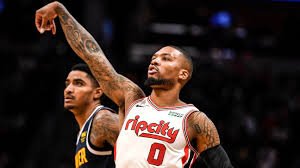
If your shooting hand finishes with fingers pointed down toward the hoop, relaxed, like you just reached into a cookie jar, that’s a good sign. The ball left your hand with forward rotation, with intention, with a smooth flick rather than a push or a throw. If your hand is twisted, if it finished sideways, if it dropped immediately before the ball even lands, something went wrong on the way there and your follow through just told you exactly what.
The guide hand has its own story to tell. It should finish next to your shooting hand, fingers pointed straight up. It can drop a little on certain shots. But if it’s inconsistent, if it’s peeling off early and going in its own direction, that’s almost always why the ball isn’t tracking straight. The guide hand’s job is to support the ball on the way up and then get out of the way cleanly. If it’s leaving early or adding its own input at the last second, you’ve essentially got two hands fighting over where the ball goes.
[photo: close up of a shooter’s follow through, shooting hand in cookie jar position, guide hand finishing straight up]
Why Relaxed Hands Matter More Than You Think
There’s solid research in motor learning on something called external focus. The idea is that when you focus on the outcome of a movement, where the ball goes, what your hands look like at the end, rather than the mechanics of the movement itself, you actually perform better and learn faster. Trying to consciously control every part of your shot tends to create tension. Tension kills feel. And feel is everything in shooting.
This is why the follow through cue works so well as a teaching tool. Instead of telling a player to think about their elbow or their wrist or their release point mid-shot, you give them one thing to focus on after the shot. What did my hands look like? That single external cue tends to clean up a lot of the internal mechanics naturally without the player having to micromanage every piece.
A tense shooter grips the ball too tight, pushes instead of flicks, and the guide hand tends to squeeze in at the last second and redirect everything. A relaxed shooter lets the ball come off smooth, lets the guide hand do its job and nothing more, and the follow through takes care of itself.
[photo: shooter mid-follow through at a game or gym, hands visible and relaxed]
The Junior Player Who Disappeared After Every Shot
The player from the email had hands that vanished the second the ball left them. No follow through, no record of what happened, just a shot and then nothing. The ball was wildly inconsistent and he had no idea why because he wasn’t seeing his own hands.
First rule we put in place: hold your follow through until the ball hits the floor. Longer than you actually need to, but the point was to build the habit of seeing what happened rather than immediately resetting and moving on.
What we found was his guide hand was pushing the ball at release, adding direction it wasn’t supposed to add. His shooting hand was finishing straight up instead of pointing toward the hoop. He was essentially waving goodbye to the ball instead of flicking it through.
We slowed everything down. Worked on getting his shooting hand flat and comfortable, fingers at a natural width, thinking about pushing the ball like a firm pass rather than throwing it. Guide hand stayed attached and relaxed through the whole motion, not gripping, not pushing, just there for support until the very end. Every rep we held the follow through. Only made shots counted if the hands finished right.
It took time. But the erratic bricks off the backboard started disappearing and the shot started having a shape to it.
The Middle Schooler Whose Shot Fell Apart at Speed
This one is common and it shows up the same way almost every time. A player who looks great shooting free throws or running through form shooting drills. Coaches love watching them warm up. Then they add a dribble, add some speed, and the whole thing unravels.
For this player the problem was his guide hand. Off a catch it stayed connected. The minute he was moving at any real speed it came off early, way before his release point, and the ball had no support on the way up. The result was misses that went everywhere. Hard off the left side of the backboard one rep, sailing right the next, no pattern at all. The ball went wherever it felt like because nothing was keeping it on track.
The fix was one rule added to every drill: hold the follow through and make sure both hands are still visible at the end. That one constraint forced him to keep the guide hand connected longer and his shot straightened out almost immediately. Took about two sessions before the left and right misses basically stopped.
[photo: player mid-shot off the dribble, both hands still in frame at the top of the release]
The High Schooler Who Lost Her Hands Under Pressure
A high school player who was a genuinely good shooter had a pattern that only showed up in certain situations. Open looks, practice, controlled settings, her shot looked clean. The second a defender closed out hard or she was working against a clock, her hands pushed. Left sometimes, right sometimes, never straight. The follow through was telling her exactly what was happening and nobody had pointed it out yet.
We started adding those situations intentionally. Closeout drills, shots against a shot clock, anything that added a little pressure or speed. And we watched the hands every single rep. She started watching them too. Once she could see it herself the correction became automatic. She knew what it was supposed to feel like at the end and she could tell in the moment when it went wrong.
That self-awareness piece is underrated. A player who can see their own follow through and diagnose it is a player who can fix their own shot in a game without waiting for a timeout and a coaching conversation.
What to Actually Work On
Start by just watching. Next time you shoot, hold the follow through and look. Shooting hand finishing toward the hoop, relaxed, fingers down? Guide hand finishing next to it, fingers up, not peeling off early? Good. Keep going.
If the shooting hand is twisted or finishing sideways, the ball is probably coming off the side of your fingers. Get the hand flat, comfortable width, think about flicking the ball like a chest pass more than throwing it.
If the guide hand is causing problems, it’s almost always tension. It’s gripping when it should be supporting. Consciously think about keeping it relaxed and attached rather than squeezing. The goal is for it to support the ball on the way up and then come off cleanly at the end without redirecting anything.
One thing that helps across the board is slowing down before you speed up. Work at a pace where you can actually see your hands and know what they did. Then gradually add speed while keeping that same awareness. Rushing the fix never works. Every pro you watch finishes the same way regardless of how different their form looks everywhere else. Shooting hand toward the hoop, guide hand out of the way. That part is not optional.
[Search: Steph Curry follow through slow motion, Klay Thompson shooting form follow through]