
I’ve got an 11-year-old who’s smaller and younger than everyone in his group. He plays up, against bigger kids, older kids, and most days he’s getting cooked. He knows it. He signed up for it.
A few weeks ago he finally got a shot to fall. One bucket. And he celebrated like he’d just won Game 7.
He had it exactly right. He walked in knowing it was going to be hard, knowing he wasn’t going to get many looks, knowing the entire point was to be challenged. So when something good finally happened, he got to actually enjoy it instead of being crushed by everything that didn’t.
That’s not a talent thing. That’s an expectations thing. And almost nobody sets them on purpose.
Your Brain Picks a Game Before You Do
Here’s what most players never figure out. Before you ever step on the floor, your brain has already decided what kind of situation you’re walking into. Whatever it decided is what runs your emotions, your reactions, and your decisions the whole time you’re out there.
The problem is most players pick the wrong game entirely.
They walk into a training session like it’s a job interview. Every missed rep is evidence they don’t belong, so they tighten up and protect themselves instead of pushing. Which is backwards, because training is the one place you’re supposed to look bad. If you’re making everything, the workout is too easy and you’re wasting your time.
So here’s the part that gets me. People watch my 11-year-old lose his mind over one made basket and think he’s the delusional one. He’s not. The delusional one is the kid treating a random Tuesday practice like it’s a job interview, or playing a pickup run like he’s negotiating a contract, or stepping into a group full of older players and acting shocked, shocked, that it’s hard. You signed up for the deep end. Pretending you expected the kiddie pool is the crazy part.
The research backs this up in a way I love. Studies on athletes show that stress you didn’t see coming feels far more threatening than the exact same stress you expected. Same situation. The only difference is whether your brain walked in ready for it. Players who expect a challenge tend to stay calm and aggressive, what researchers call a challenge state, where you see a chance to prove yourself and you go get it. Players who walk in expecting to be perfect tip into a threat state, where everything feels like danger, and they fall apart the second things get hard. Athletes in that challenge state flat out perform better. Same body, same skills, different story playing in their head.
[Photo suggestion: young player mid-drill against bigger kids, working]
Training Is Supposed to Look Bad
Here’s the other side of the play-up kid. I had a player who treated every training session like I was sitting there judging him. Miss a few shots and he’d spiral, tense and frustrated, convinced he was proving something terrible about himself.
Wrong expectation entirely. You don’t go to training to confirm you’re good. You go to get pushed past what you can already do, and that part is going to look ugly. Once he understood that walking in, a missed rep stopped being a verdict and went back to being just a rep. He quit managing his feelings about it and started actually getting better, because that’s what the time was for the whole time.
A Game Is a Different Game
Now flip it. A game is not training, and your brain has to know that before tip-off.
In a game you’re not there to be challenged and look bad. You’re there to hunt your opportunities and give yourself a chance. The expectation isn’t “make everything,” it’s “stay ready, look for my moments, take them when they come.” That’s why my 11-year-old’s reaction was perfect. He knew looks would be rare, so when one came he pounced and celebrated, because he’d set the bar where it actually belonged.
The players who struggle in games are usually carrying a training expectation into a game, or a perfection expectation into a situation that was never going to be perfect. They go 2 for 8 and decide they’re trash, when 2 for 8 as the third option who barely touches the ball might be a totally fine night. Wrong game, wrong scoreboard in your head.
[Photo suggestion: player attacking in a game, focused, hunting a look]
The Hardest Game of All: When Nobody Hands You Anything
Here’s the situation almost nobody prepares for, and it has nothing to do with your shot.
You join a new team. The coach has known everyone else for years. He trusts them, runs plays for them, and you’re the new kid on a very short leash. One mistake and you’re back on the bench while someone else plays through five of theirs. It feels unfair because it kind of is.
I had a player live through exactly that. New team, tight rotation, a coach who’d built his trust with everyone but her. She knew it going in and it still ate at her. Every small mistake got filed away as more evidence the coach was against her. She wasn’t entirely wrong, either. It probably should have been more fair. But here’s what she had to accept. The coach makes the decisions. Being right about the unfairness doesn’t put you in the game. The only person whose behavior you actually control is you.
Once she stopped letting the short leash live rent-free in her head, something shifted. She stopped playing scared of the next mistake and locked onto the things that were in her control. Play hard defense. Don’t turn it over. Make the simple pass. Do your job on the possessions you got, every time. Her minutes started growing. Not because the coach had a change of heart, but because she gave him fewer reasons to sit her and more reasons to trust her. She earned her way off the short leash by accepting she was on one in the first place.
That’s not surrender. That’s reading the situation correctly and playing the game in front of you instead of the game you wish you had.
Even the Pros Have to Pick Their Game
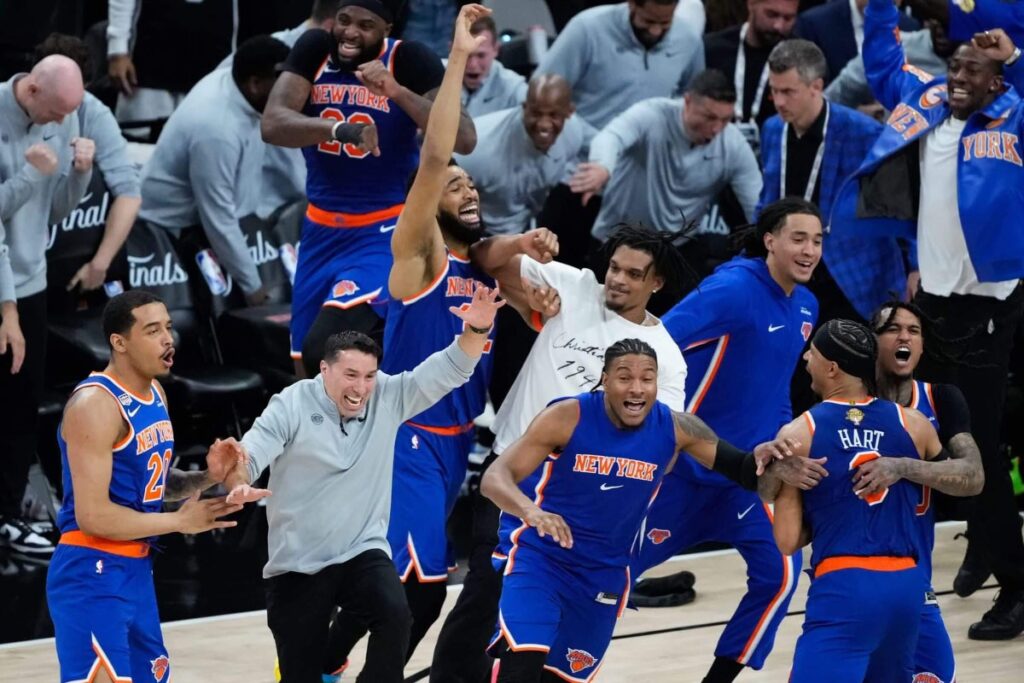
You don’t have to take my word that accepting your role beats fighting it. The 2026 Knicks made their deepest playoff run in over fifty years partly by leaning on their bench harder than they ever had. Guys who could’ve sulked about minutes did their jobs instead. A journeyman guard found a real role. Their backup guard put up career highs. Their big man let himself be carefully managed all season and got rewarded with the biggest assignment of all, guarding a generational seven-footer in clutch time. Every one of them walked in with the right expectation about their job, then went and did it.
And the flip side wrecks more careers than bad shooting. Tons of talented players never accept the role in front of them, because a competitor’s instinct is always to believe they should be doing more. Great fuel in training. Poison when it makes you fight your situation instead of mastering it. The pro thriving in a smaller role and the kid earning her way off the short leash are running the same play. Show up to the real game, not the one in your head.
So What Do You Actually Do
Before every basketball thing you do this week, take ten seconds and name the situation out loud. What am I walking into, and what’s the goal.
Training, you’re here to be challenged and you’re going to miss. Practice, you’re competing and earning your role, mistakes are information. Games, you’re hunting opportunities and giving yourself a chance, not chasing perfect. Bad team situation, you’re controlling the few things you control and earning trust one possession at a time.
It sounds too simple to matter. But your brain is going to pick a game whether you choose one or not, and if you don’t set the expectation on purpose, it’ll grab whatever fear or highlight reel is loudest that day.
The kid who celebrated one bucket like a championship wasn’t crazy. He just knew which game he was playing. Most people never bother to ask.