
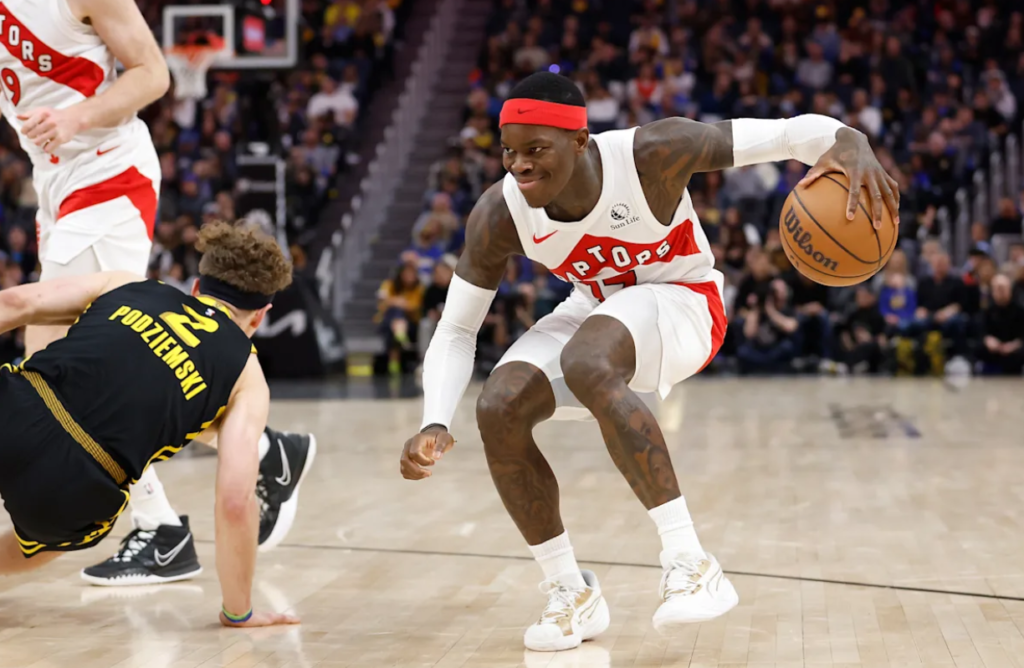
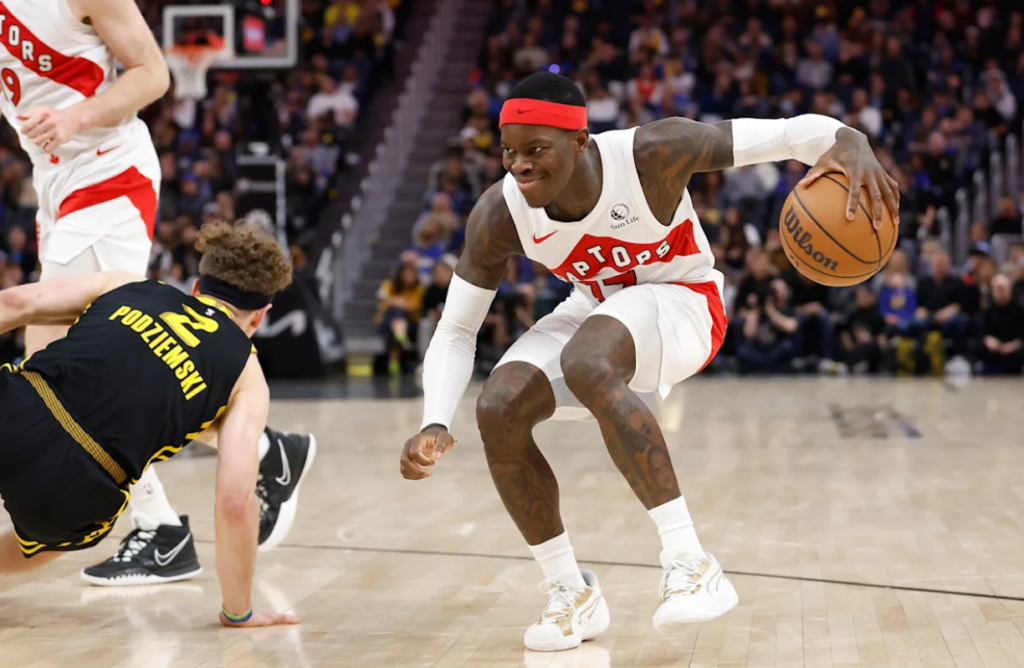
I had a high schooler who was one of the most detail-oriented players I’ve ever worked with.
Every rep had to look right. Every footwork pattern had to feel clean before he’d move on. If something broke down mid-rep he’d stop, reset, and start over. He was putting in serious work. In practice he looked pretty good.
In games he looked like a completely different player. Slower. Hesitant. Like everything he’d drilled had evaporated the second the pace picked up.
He couldn’t figure out why. He’d done the reps. They looked clean. What was the problem?
The problem was he’d been practicing at a speed that doesn’t exist in a game. And a skill that only works slow isn’t really a skill yet.
Why Slow Reps Are Lying to You
There’s a version of slowing down to get it right that makes complete sense. When you’re learning something brand new, slowing down helps you feel the movement and build the pattern. When you’re warming up and just trying to get loose and confident, slow is fine. When you’re mentally drained and need to feel good about something, pulling back the pace serves a purpose.
But a lot of players never speed back up. They get comfortable at a pace that feels controlled, call that practicing, and wonder why nothing shows up in games.
Speed is what makes practice real. It’s the closest thing you have to a defender when there’s no defender. It forces your body to make the skill automatic instead of deliberate. A jump shot that only works when you have three full seconds and zero pressure isn’t a jump shot you actually have. A layup that only looks good at three quarter speed isn’t a layup. The skill isn’t yours until it holds up when things get fast and messy.
Research on motor learning is pretty clear on this: skills practiced predominantly at slow speeds don’t automatically transfer to higher speeds. The movement patterns your body is building are actually different depending on the pace. You have to train the fast version to get good at the fast version. There’s no shortcut through the slow version.
Steph Curry put it well: “I want to practice to the point where it’s almost uncomfortable how fast you shoot, so that in the game things kind of slow down.” That’s not an accident. That’s the whole method.
To give you some context on how fast the game actually is: the average NBA jump shot from release to hitting the rim takes roughly 0.4 seconds. A defensive closeout happens faster. Your footwork, your release, your decision to shoot or drive, all of that is happening in fractions of a second. You cannot build that by walking through footwork patterns at half speed and calling it a workout.
The Kid Who Was Afraid to Be Wrong
[Photo or video: player making a mistake mid-drill and keeping going]
Then there’s the other end of the spectrum.
I had a middle schooler whose problem wasn’t just speed. It was mistakes. Every time something went wrong he’d stop. Make an excuse. Explain what happened. Reset and try again from the beginning, slower, more carefully.
He was so focused on not messing up that he was cutting himself off right at the moment learning was supposed to happen.
Here’s the thing: the mistake is the feedback. It’s what tells your brain what to adjust. When you stop the rep the second something goes wrong, you’re throwing away the most useful part of the rep. He genuinely believed that practicing wrong would make him worse. That if he did the wrong thing enough times it would stick forever, like some kind of terrible muscle memory curse.
That belief was keeping him stuck way more than any bad habit ever would have.
Mistakes at the edge of your ability aren’t the same as ingraining bad habits. Ingraining bad habits happens when you mindlessly repeat something slow and easy and never push past it. Practicing at a speed that challenges you and occasionally failing is exactly how skills get built. The players who figure that out improve. The ones who can’t get out of their own way stay stuck.
When he finally let go of needing every rep to be right and just started going, things changed. Not immediately. But the reps started meaning something. He was actually learning instead of just performing for himself.
Which Skills Need This Most
[Video: full speed footwork drill or shot off the dribble at game pace]
Honestly? Pretty much all of them. But here’s where I see players leave the most on the table:
Shooting off the dribble. Players drill pull ups and step backs slowly, everything looks clean, then in a game they rush it and it looks like a completely different shot. The fix is training it at game speed, off a hard dribble, with real momentum. That’s the only way the mechanics hold up under pressure.
Layups and finishing. I cannot count how many players have a beautiful slow layup and then rocket the ball off the backboard the second they’re going full speed. If you only finish at controlled pace you are not training finishing. You’re training a move that only exists in warmups.
Driving and first step footwork. First step footwork drilled slow looks great. First step footwork at real attack speed is a completely different challenge. The angles, the balance, the timing are all different. You need to practice attacking at real speed to know what your footwork actually does under pressure.
Ball handling. This one is obvious but constantly ignored. Handling drills done slowly build coordination. Handling drills done at the speed where you’re on the edge of losing it build real handles. If the ball has never slipped away from you during a drill, you’re probably not going fast enough.
Decision making. This is the one people forget entirely. Reading help defense, finding the open man, deciding to shoot or drive, all of that needs to be trained at speed too. Running plays slowly doesn’t build basketball IQ. Running them fast, making quick reads, being wrong sometimes and adjusting, that’s what actually builds it.
When to Slow Down
There’s a real place for slower work and I don’t want to pretend otherwise.
Early in learning a new skill, slow is right. When you have no feel for the movement yet, slowing it down helps your body find it. Trying to go fast before you have any sense of the pattern is just chaos.
Warmups are a good time to feel confident and get loose without pressure. Some players genuinely need that mental reset before they can push hard. That’s fine.
When confidence is genuinely low and a player needs to feel something going right, pulling back temporarily makes sense. There’s a difference between never speeding up and strategically slowing down to rebuild.
When the error rate is so high that nothing useful is happening, dial it back slightly. The goal is to be at the edge of what you can do, not so far past it that every rep is a disaster with no information in it.
The problem isn’t slowing down. The problem is staying slow.
What This Actually Looks Like
[Photo: player doing a rep at full speed, coach watching]
Start your sessions with slower, more deliberate reps. Feel the movement, get warm, build some confidence.
Then speed it up. Not all at once, but progressively. Add pace until things start to break down a little. Stay there. Work through the messiness. Don’t bail the second a rep looks bad.
The high schooler from the beginning eventually figured it out. We stopped letting him reset mid-rep. Kept the pace up even when things broke down. Within a few weeks his practice reps and his game reps started looking a lot more like each other.
That’s the whole goal. Practice that actually looks like the game it’s supposed to prepare you for.
If you’re a parent watching your kid practice and everything looks clean and controlled the whole time, that’s not necessarily a good sign. Ask them to speed it up. See what happens. If it falls apart, that’s where the real work is. And if they get frustrated when it gets messy, remind them that’s the point. That frustration means they’re in the right place.