
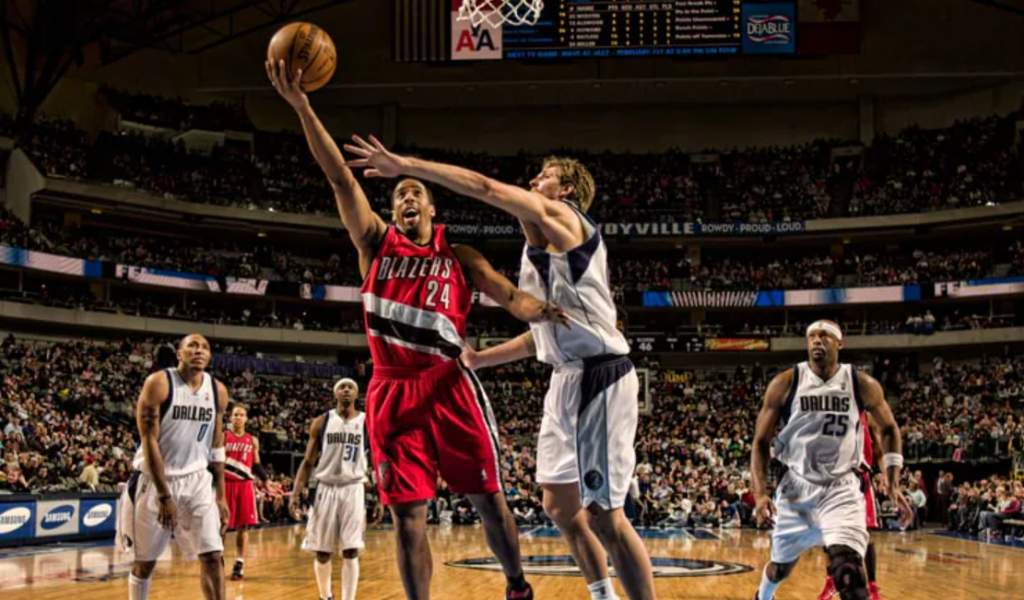
There was a moment in middle school that I still think about.
Someone who knew basketball watched me play and pulled me aside after. Said I had real skills. Good handle, decent shot, could see the floor. Then he said the thing that actually stuck: “Your practice game and your game game are two totally different players. And the difference is pace.”
I didn’t really get it at first. I thought I just needed to get faster. Work harder. Be more explosive. So that’s what I chased for a while.
It didn’t work. Because that wasn’t the problem.
The Real Problem With Playing One Speed
Most players, especially younger ones, have one gear for games. And it’s usually whatever speed feels urgent in the moment. Someone pressures them and they speed up. Someone backs off and they still speed up because that’s just what they do now. They’ve trained themselves to play at maximum anxiety pace and called it competing hard.
The issue is that one speed, even a fast one, is the easiest thing in the world to guard. A player who constantly changes speeds is much harder to guard than someone going one speed even if that one speed is fast. The defender is always having to react to something new. When you go one speed the defender just matches it. Done. They don’t have to think. They just have to keep up.
Change your speed and now they have to actually play defense. They have to read you, anticipate, decide. And every time they make a decision based on what you were doing, you can change what you’re doing. That little gap is where everything happens.
[video: side by side of a player going one speed vs same player using pace changes on a drive]
Andre Miller Was Slower Than Some Big Men
Andre Miller played 17 seasons in the NBA as a point guard. According to NBA tracking data, he averaged 3.8 miles per hour on the court. The same pace as Tim Duncan and Brook Lopez, who were seven foot centers.
He was not going to outrun anyone. He knew it. So he stopped trying.
Miller became a master at changing speeds, navigating around defenders the way a pitcher sneaks a mid-80s changeup past a hitter waiting on the fastball. He’d slow down until the defender relaxed, then accelerate into the exact space that just opened up. He did this for nearly two decades against the best defenders in the world.
Nobody was confused about why he was effective. It wasn’t a secret. Defenders just couldn’t stop it because knowing something is coming and reacting to it in time are two completely different problems. <div style=”border-left: 4px solid #FF6B35; padding: 10px 16px; margin: 20px 0; font-style: italic; color: inherit;”> Speed is a tool. Pace is a skill. Tools you’re born with. Skills you build. </div>
The Kid Who Looked Like He’d Been Playing Forever
The junior player I mentioned in the newsletter is genuinely something to watch. Young kid, doesn’t look physically imposing, wouldn’t jump off the page in a warmup. But put him in a game and defenders just unravel.
We actually taught him pace through red, yellow, and green lights. Green is full speed, yellow is deliberate and controlled, red is a full stop. That’s it. No complicated terminology, no long explanation. Just three speeds with a name attached so he could actually think about them in real time instead of just reacting.
Once he had those three gears labeled and could switch between them on purpose, everything changed. He goes yellow until the defender gets comfortable. Green to attack the space. Red to reset and make them guess again. By the third or fourth move the defender is basically just hoping for the best.
Before we worked on this he was just trying to use his quickness to blow by people. Which worked against slower defenders and stopped working the second someone could keep up. One speed has a ceiling. Three speeds with the ability to switch between them on purpose don’t really have one.
[video: young player using hesitation and pace change on a drive to the basket]
The High Schooler Who Stopped Panicking
My high school player was slower than most of the guys at his position. Good shooter, smart player, but teams figured out early that if you sped him up he’d rush everything. Pressure him at half court and suddenly his whole game fell apart.
The fix wasn’t physical. He didn’t need to get faster. He needed to understand that he was allowed to pause.
That sounds simple and it kind of is, but it runs completely against what players are taught. There’s this idea that hesitating is a mistake, that holding the ball means you’re scared, that any pause is a defender’s invitation to take it. None of that is true. A pause is a weapon if you use it right.
He started holding his dribble for a beat when defenders pressured him. Just a beat. Long enough for the defender to have to decide whether to keep coming or back off. Either answer was fine because he had a plan for both. As soon as the defender matches your speed, slow down. As soon as they slow down, speed up. It sounds like a video game cheat code but it’s just pace.
He went from a guy teams actively targeted defensively to a guy who consistently got to his spots against more athletic defenders. Not because he got faster. Because he got harder to read.
This Works at Every Level, But Higher Levels Forget It
Here’s the thing that gets me. Pace control matters at every age and skill level but it’s somehow most forgotten at the higher levels. Young players don’t know it exists yet. That’s expected. But high school and college players who’ve been playing for years often lose it because somewhere along the way somebody convinced them that intensity means speed.
It doesn’t. Intensity means effort and attention. You can play with full intensity at three quarters speed and be completely locked in. Luka Doncic controls timing better than most players control speed. He makes defenders react early and then punishes the first wrong step. He is not the fastest player on the floor basically ever. He might be the hardest to guard in the world.
The players who figure this out early have something that genuinely separates them from peers who are more physically gifted. You can’t teach someone to be six inches taller. You can absolutely teach someone to change speeds.
So What Does This Actually Look Like
Your pace is not set by the defense. That’s the mindset shift. The defender wants you moving fast and predictably because that’s easy to guard. You want to move in a way that makes them make decisions, because decisions take time and time is space.
Slow down before you attack, not because you’re hesitating but because you’re setting something up. Use a burst off a pause, not just a burst off movement. Let the defender think they’ve figured out your speed and then change it. Do this on and off the ball, on drives, on cuts, coming off screens.
Most players spend their whole career trying to get faster. The ones who figure out pace control look like they have an extra second that nobody else has. They don’t. They just stopped giving the defender something easy to follow.
That’s available to anyone. You don’t have to be Andre Miller. Although apparently 3.8 miles per hour is a perfectly fine speed to play 17 years of NBA basketball so maybe slow down a little.